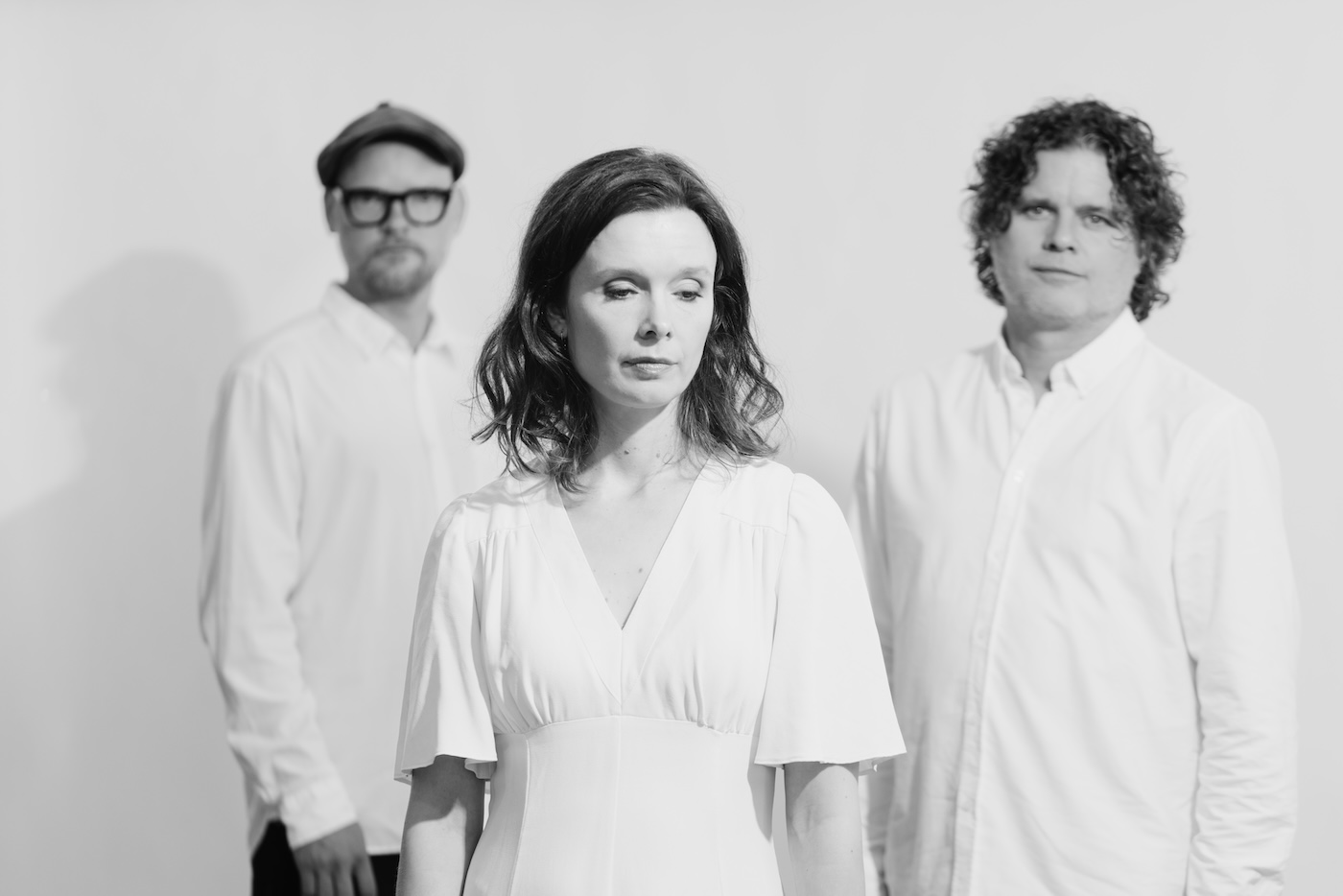
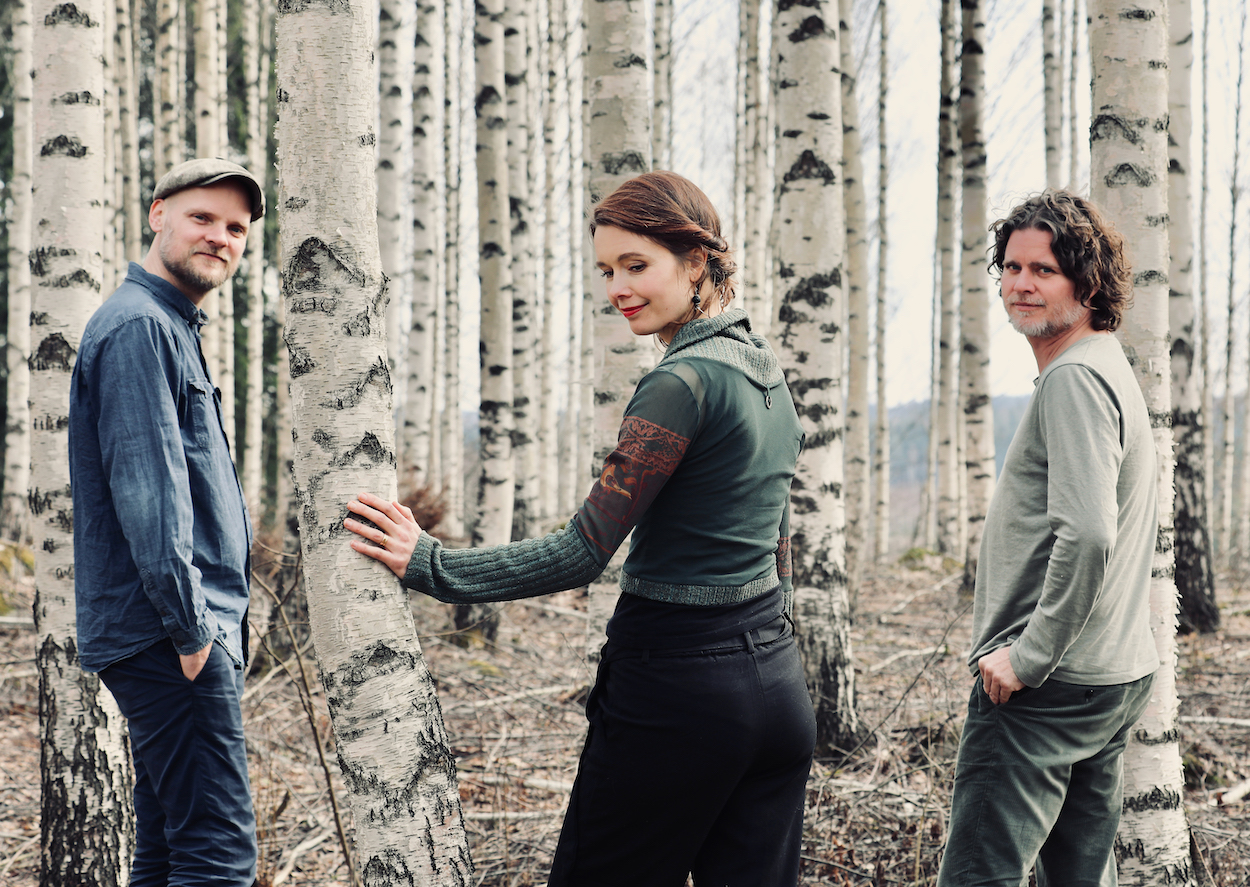


Aino Peltomaa Voice, Harp
Harmen Fraanje Piano
Mikko Perkola Viola da Gamba, Effects
about
Trio Peltomaa Fraanje Perkola combines the sounds of the human voice, piano and viola da gamba with electronic effects and medieval harp. The players have diverse backgrounds in early music, jazz, Finnish folk music and contemporary music, although it was medieval music that was the inspiration for their highly personal and recognisable sound.
The group continues to explore the chants of Hildegard von Bingen (1098-1179), Pérotin (1160-1230) and 14th-century pilgrimage songs. Echoes from monasteries, cathedrals and pilgrimage sites are combined with delicate improvisations and original compositions; they create links between the eras and centuries as they invite the listener on a journey towards peace and tranquility.
The trio is fascinated by how time is perceived and how these beautiful medieval melodies and texts speak to us now, by the idea of now — the moment they were written down in the medieval manuscripts — and how the power of now shapes their improvisations and compositions hundreds of years later.
Following their debut album ÆR on Fuga Libera in 2021, Trio Peltomaa Fraanje Perkola released their second album Komorebi in 2023 on Outhere Music. The project is a post-classical exploration of themes of fragility and loss, mixing elements of medieval and electronic music and jazz to create a wondrous and meditative sound world.
Komorebi is an untranslatable Japanese word best described as “sunlight shining through tree leaves, capturing the interplay between light and leaves”. This trio composed of one Dutch and two Finnish musicians explores the fragility of nature and death, the fleeting nature of light seen through leaves, the poetry and vividness of nature as well as the loss of natural habitats.
The texts are original poetry from singer Aino Peltomaa, as well as precocious Finnish poet Saima Harmaja (1913–1937), Hildegard von Bingen (1098–1179), and from the Cantus Sororum (Songs of the Sisters), a collection of medieval Bridgettine chants.